
Hi, I'm Kenji Matsuo. I live in Illinois. Craig "The Water Guy" Phillips asked me to share my homeowner experience with local tap water from the city and the SoftPro ECO™ City Water Softener - Best Water Softener Systems for City Water I purchased. This is how my adventures played out. I hope this helps you in your decision.
Did you know that even treated city water can wreak havoc on your home's plumbing and appliances?
I certainly didn't realize the extent of the problem until I started noticing white, crusty buildup on my faucets and showerheads. My coffee maker was constantly clogged, and my once-shiny glassware looked perpetually cloudy no matter how thoroughly I washed it.
Living in Illinois, I assumed our municipal water treatment meant I didn't need to worry about water quality issues. But after months of dealing with soap scum that wouldn't budge, dry skin after every shower, and appliances that seemed to be aging faster than they should, I realized something had to change.
The breaking point came when my dishwasher repair technician mentioned that the mineral buildup in my unit was "pretty severe for a three-year-old machine." That comment sent me down a research rabbit hole that ultimately led me to understand that hard water was silently damaging my home and affecting my daily comfort.
The Hard Water Reality That Changed Everything
Before diving into my solution, let me paint a picture of what I was dealing with. My morning routine had become a constant battle against mineral deposits. Every week, I'd spend time scrubbing white residue off my shower doors, knowing it would return within days.
The science behind this frustration is actually pretty straightforward. Hard water contains elevated levels of dissolved minerals, primarily calcium and magnesium. While these minerals aren't harmful to drink, they create serious problems when water is heated or evaporates. The minerals precipitate out of solution, forming those stubborn white deposits I was constantly fighting.
In my area of Illinois, water hardness typically ranges from 12 to 18 grains per gallon, which puts us firmly in the "hard" to "very hard" category according to the Water Quality Association standards. This means every gallon of water flowing through my home was carrying dissolved minerals equivalent to about 200-300 parts per million of calcium carbonate.
The financial impact was becoming impossible to ignore. I was using twice as much laundry detergent to get clothes clean, replacing clogged showerheads every few months, and watching my water heater struggle with efficiency as mineral scale built up on the heating elements. Industry studies suggest that just 1/8 inch of scale buildup can reduce water heater efficiency by 20-25%.
My skin and hair were telling their own story. The minerals in hard water interfere with soap's ability to lather properly and leave residue that makes skin feel tight and hair look dull. I'd tried different shampoos and moisturizers, not realizing the water itself was the culprit.
What really motivated me to act was learning about the long-term damage happening to my home's plumbing system. Scale buildup doesn't just affect appliances you can see - it's gradually restricting water flow through pipes, putting additional strain on the entire system, and potentially shortening the lifespan of every water-using appliance in my home.
Research Journey: Finding the Right Solution
Once I understood that hard water was the root cause of my problems, I dove deep into researching solutions. The water treatment industry offers several approaches, and I needed to understand which would work best for my specific situation.
Salt-based ion exchange systems emerged as the gold standard for hard water treatment. This technology works by replacing calcium and magnesium ions with sodium ions through a process that occurs in a resin bed. As hard water flows through specially charged resin beads, the problematic minerals are captured and exchanged for sodium, which doesn't cause scale buildup.
I also investigated salt-free water conditioners, which use template assisted crystallization or catalytic media to change the structure of minerals so they don't adhere to surfaces as readily. While these systems don't technically "soften" water by removing minerals, they can reduce scale formation. However, for my level of hardness and the extent of problems I was experiencing, most experts recommended traditional ion exchange.
Sizing the system properly was crucial. Water softener capacity is measured in grains, referring to how many grains of hardness minerals the system can remove before regeneration is needed. With my water testing at about 15 grains per gallon and average household usage of roughly 80 gallons per person per day, I calculated I needed a system with at least 30,000-40,000 grain capacity to handle regeneration every 3-4 days.
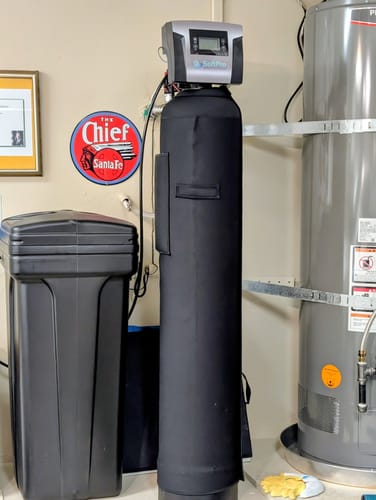
The SoftPro ECO caught my attention because of its demand-initiated regeneration system and upflow design. Unlike timer-based systems that regenerate on a schedule regardless of actual water usage, demand-initiated regeneration monitors water consumption and hardness removal to regenerate only when necessary. This approach conserves salt and water while ensuring optimal performance.
Certification was another critical factor. I specifically looked for systems tested and certified by NSF International or the Water Quality Association. The SoftPro ECO carries NSF/ANSI Standard 44 certification for hardness reduction performance, which gave me confidence in its claimed capabilities.
After comparing features, capacity, efficiency ratings, and warranty coverage across multiple brands, the SoftPro ECO offered the best combination of performance and value for my specific needs. The 10-year warranty on the control valve and lifetime warranty on the mineral tank provided additional peace of mind for this significant investment.
Unboxing and Initial Setup Experience
When the SoftPro ECO arrived, I was immediately impressed by the packaging quality. Everything was securely packed with protective materials, and nothing showed any signs of shipping damage. The main mineral tank is substantial - at about 120 pounds when empty, it definitely feels like a piece of equipment built to last.
The brine tank arrived separately and has a clean, modern design that won't look out of place in a utility room. The build quality exceeded my expectations, with thick walls and a sturdy construction that speaks to long-term durability. The included bypass valve assembly looked professional-grade, with brass fittings and clear directional markings.
Documentation was comprehensive without being overwhelming. The installation manual included clear diagrams and step-by-step instructions, though I appreciated that it also clearly outlined when professional installation might be preferred. The quick-start guide helped me understand the basic operation before diving into the detailed manual.
One pleasant surprise was the inclusion of a hardness test kit, which allowed me to verify my water's mineral content and later confirm the system's performance. The digital control head looked modern and intuitive, with a clear display that shows system status, remaining capacity, and regeneration scheduling.
Initial inspection of the resin tank revealed the high-capacity ion exchange resin, which has a clean appearance and uniform bead size. The distribution system uses an internal riser tube and distributor that ensures even water flow through the resin bed - important for consistent performance and efficient regeneration.
Installation Process: Professional vs DIY Decision

I'll be honest - I seriously considered professional installation initially. While I'm reasonably handy, water softener installation involves both plumbing and electrical connections, plus the system needs to be properly integrated into my home's main water line with appropriate bypass capabilities.
After reviewing the installation requirements, I decided to hire a licensed plumber for the initial setup. The installation required cutting into my main water line, installing the bypass valve assembly, connecting drain lines for regeneration discharge, and routing electrical supply for the control head. In Illinois, some municipalities require permits for water treatment equipment, so professional installation helped ensure code compliance.
The installation process took about 4 hours from start to finish. My plumber appreciated the quality of the bypass valve and fittings included with the system. The control head programming was straightforward - we input my water hardness level (15 grains per gallon), household size, and preferred regeneration time (2 AM to minimize disruption).
Startup involved slowly opening the bypass valve to fill the system, checking for leaks, and initiating the first regeneration cycle. The control head walked us through each step of the process, and the system automatically calculated optimal regeneration frequency based on the parameters we entered.
One important consideration was the drain line routing. Regeneration requires discharge of brine and backwash water, so proper drainage is essential. We connected the drain line to my utility sink with an air gap to prevent any potential backflow issues, following local plumbing codes.
The electrical connection was simple - just plugging into a standard 115V outlet near the installation location. The system draws minimal power during normal operation, with higher consumption only during the regeneration cycle which typically occurs during off-peak hours.

Initial system testing confirmed proper operation of all functions. Water flow pressure remained strong through the system, and the control head displayed normal operating status. The first regeneration cycle completed without issues, using approximately 35 gallons of water and 3 pounds of salt - well within the manufacturer's efficiency specifications.
Real-World Performance and Daily Impact
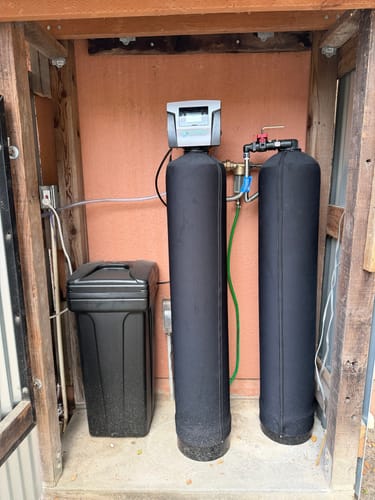
The transformation in water quality was noticeable within 24 hours of installation. That first shower felt different - soap lathered more easily, and my skin didn't have that tight, dry feeling I'd grown accustomed to. My hair felt softer and looked shinier after just a few washes with the softened water.
Testing confirmed the system's effectiveness. My pre-installation hardness level of 15 grains per gallon dropped to less than 1 grain per gallon best water softener system for city water post-treatment. Total dissolved solids decreased from about 420 ppm to 380 ppm, with the reduction representing the removal of calcium and magnesium and slight increase in sodium content from the ion exchange process.
Kitchen improvements were dramatic. My coffee maker, which had required weekly descaling, now runs clean with no mineral buildup after three months of operation. Glassware emerges from the dishwasher spot-free and crystal clear. Ice cubes from my refrigerator maker are noticeably clearer and taste better.
Cleaning became significantly easier throughout the house. Soap scum formation dropped to almost nothing, and what little residue does appear wipes away easily with minimal scrubbing. My shower doors stay clear longer, and bathroom fixtures maintain their shine with routine cleaning.
Laundry quality improved substantially. Clothes feel softer and colors appear brighter. I've reduced detergent usage by about 30% while achieving better cleaning results. White clothes stay whiter longer, and fabric softener is no longer necessary since the softened water naturally prevents the mineral buildup that makes fabrics feel stiff.
The system's demand-initiated regeneration has proven efficient in practice. With my household's water usage patterns, regeneration occurs approximately every 5-6 days, consuming about 35-40 gallons of water and 2-3 pounds of salt per cycle. The process happens automatically during early morning hours and takes about 90 minutes to complete.
Water pressure throughout the house remained excellent. The system's upflow design and properly sized resin bed ensure minimal pressure drop even during peak usage periods when multiple fixtures operate simultaneously. Flow rate testing showed only a 2-3 PSI reduction from municipal supply pressure.
Seasonal performance has been consistent. During summer months with higher water usage for lawn irrigation (which bypasses the softener), regeneration frequency increased slightly, but the system automatically adjusted without requiring manual intervention.
Cost Analysis and Long-Term Value
Let's talk numbers, because the financial aspect of water softener ownership extends far beyond the initial purchase price. My total investment included the SoftPro ECO system, professional installation, and initial salt supply, totaling approximately $1,800.

Monthly operating costs have been reasonable and predictable. Salt consumption averages 15-18 pounds per month at current regeneration frequency. Using high-quality solar salt at $6 per 40-pound bag, monthly salt costs run about $3-4. The system adds roughly $2-3 to my monthly electric bill based on regeneration power consumption.
Water usage for regeneration adds about 200-250 gallons monthly to my utility bill. At local rates of $3.50 per 1,000 gallons, this represents less than $1 monthly increase. Total operating costs remain under $8 per month, which I consider excellent value for the benefits provided.
The real savings come from reduced cleaning product usage, appliance protection, and improved efficiency. I'm using 30% less laundry detergent, 50% less bathroom cleaning products, and eliminated the need for fabric softener and rinse aids. These savings alone offset most of the monthly operating costs.
Appliance protection provides long-term value that's harder to quantify but equally important. My water heater operates more efficiently without scale buildup on heating elements. Industry research suggests properly softened water can extend water heater life by 3-5 years and maintain peak efficiency throughout its lifespan.
Dishwasher performance has improved dramatically without mineral deposits clogging spray arms and affecting wash quality. Coffee makers, washing machines, and other water-using appliances benefit from clean, scale-free operation that should extend their useful life significantly.
Personal care savings are an unexpected bonus. Reduced need for moisturizers, hair conditioners, and specialized shampoos for hard water effects has trimmed our monthly household budget. My wife no longer needs expensive clarifying treatments for mineral buildup in her hair.
Calculating return on investment, I estimate the system will pay for itself within 4-5 years through direct savings and appliance protection benefits. Given the 10-year warranty coverage and expected 15-20 year lifespan, the long-term value proposition is compelling.
Maintenance Experience and System Reliability
Three months into ownership, maintenance has been straightforward and minimal. The primary ongoing requirement is keeping the brine tank stocked with salt and occasionally checking system status through the digital display.
Salt monitoring is simple thanks to the clear brine tank design. I maintain about 40-50 pounds of salt, adding a new bag every 6-8 weeks based on consumption patterns. The system alerts when salt levels get low, though visual inspection makes this unnecessary in practice.
Monthly system checks take just a few minutes. I verify proper operation through the control head display, ensure the brine tank has adequate salt, and confirm the bypass valve remains in service position. The digital display shows regeneration history, current capacity remaining, and any error codes if issues arise.
Water testing every 4-6 weeks confirms consistent performance. Hardness levels remain below 1 grain per gallon throughout the regeneration cycle, demonstrating effective mineral removal. I use simple test strips that provide quick results and cost less than $20 for a year's supply.
The resin bed requires no routine maintenance under normal operating conditions. High-quality resin can last 10-15 years with proper operation and occasional cleaning if iron or other contaminants are present. My city water contains minimal iron, so resin cleaning shouldn't be necessary for many years.
System reliability has been excellent with zero unscheduled downtime or service calls needed. The demand-initiated regeneration system automatically adjusts to our usage patterns and maintains optimal performance without manual intervention. Regeneration cycles complete reliably, and the system returns to service automatically.
The bypass valve provides peace of mind for any maintenance needs. If service were required, I can easily switch to bypass mode for uninterrupted water supply while maintaining system pressure throughout the house.

Manufacturer support resources include comprehensive online documentation, video tutorials, and responsive customer service. While I haven't needed technical support, the available resources appear thorough and professional.
Long-term maintenance will eventually include control valve service and possible resin replacement after 10-15 years. The modular design and standard components should make future service straightforward and cost-effective compared to proprietary systems.
Final Assessment: Is the SoftPro ECO Worth It?
After months of daily use, I can confidently say the SoftPro ECO has exceeded my expectations and solved every hard water problem I was experiencing. The investment has proven worthwhile both financially and in terms of improved quality of life.
Would I make the same choice again?
Absolutely. The combination of performance, efficiency, and reliability has made this one of the best home improvements I've undertaken.
The system excels for households dealing with moderate to severe hard water issues who want a reliable, efficient solution with minimal ongoing maintenance requirements. City water users will particularly appreciate the consistent performance and automatic operation that adapts to varying usage patterns.
This isn't the cheapest water softener option available, but the quality of components, warranty coverage, and long-term reliability justify the price premium. The demand-initiated regeneration and upflow design provide real efficiency benefits that reduce operating costs over the system's lifetime.
For families with skin sensitivity issues or those tired of constant cleaning battles against mineral deposits, the improvement in daily comfort and reduced household maintenance makes the investment worthwhile beyond just financial considerations.
The SoftPro ECO represents excellent value for households serious about addressing hard water problems comprehensively. It's a professional-grade solution that delivers consistent results with minimal user intervention required.
If you're dealing with similar hard water frustrations and want a reliable, long-term solution backed by solid warranty coverage and proven performance, the SoftPro ECO deserves serious consideration. The transformation in water quality and daily convenience has made this purchase one I'd readily recommend to friends and neighbors facing the same challenges.